

How to Determine Minnesota Gardening Zones for Your Plants
To determine your Minnesota gardening zone, start by entering your ZIP code into the USDA Plant Hardiness Zone Map online. This shows your exact zone, considering local microclimate effects like urban heat islands or nearby lakes.
Zones range from cold 3a in the north to warmer 5a in the south. This helps you pick plants suited for your area’s winter lows.
Understanding these zones guarantees better plant survival. Plus, you’ll discover how factors like frost dates and protections can improve your garden’s success.
Key Takeaways
– Use the USDA Plant Hardiness Zone Map and enter your Minnesota ZIP code to find your exact gardening zone.
It’s pretty simple and super helpful for planning your garden.
– Understand that Minnesota zones range from 3a in the north to 5a in the south, with letters indicating colder or warmer halves.
So, where you live really matters when choosing plants.
– Consider microclimates like urban heat islands and lakes, which can shift your local zone by up to one full zone.
These little local differences can make a big impact on what grows well.
– Check typical last spring and first fall frost dates in your area to time planting and protect sensitive plants.
Knowing these dates helps you avoid losing plants to unexpected frosts.
– Select plants rated for your zone or colder, and use mulching or frost protection to enhance winter survival.
That way, your garden stands a better chance through the colder months.
How To Find Your Minnesota Gardening Zone Using The USDA Map

Although Minnesota’s diverse climate can make gardening a challenge, you can easily find your specific gardening zone by using the USDA Plant Hardiness Zone Map online. Simply enter your ZIP code into the tool, and it will pinpoint your exact USDA zone within Minnesota.
You can also click directly on your location on the interactive map to view detailed zone boundaries for your area. The map’s zoom and pan features let you explore nearby regions and microclimates, giving you a more precise understanding of your planting zone.
Be sure to reference the latest 2023 map update, which uses climate data from 1991–2020, to verify your zone is accurate. For convenience, you can download printable versions of the USDA zone map to keep offline for planning.
Using this resource helps you confidently choose plants suited to your Minnesota planting zone, improving your garden’s success. It’s a simple step that makes a big difference for your gardening efforts!
What Zone Numbers And Letters Mean For Your Garden
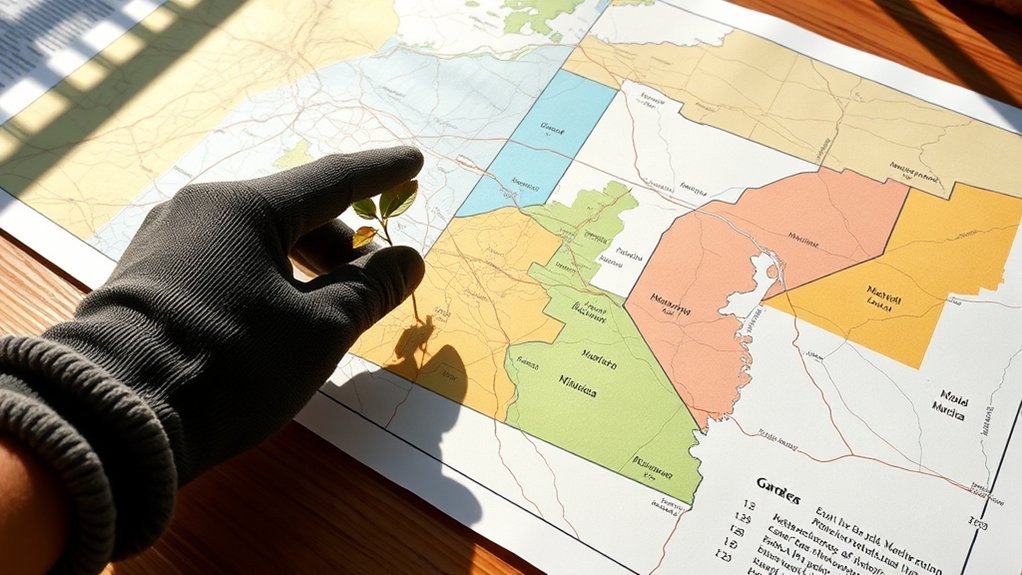
When you know what the zone numbers and letters mean, you can better choose plants that will thrive in your Minnesota garden. Zone numbers on the Hardiness map indicate the average annual extreme minimum winter temperatures, with lower numbers showing colder climates.
For example, Minnesota’s zones range from 3a in the north to 5a in the south. The zone letters “a” and “b” divide each number zone into colder and warmer halves, representing a 5°F difference.
So, 3a is colder than 3b, which helps you pinpoint the exact conditions your plants will face. The updated 2023 USDA Hardiness map even reflects urban influences, like the Twin Cities shifting to Zone 5a due to the urban heat island effect.
How Minnesota’s Microclimates Affect Your Garden

You might not realize how much local factors like urban heat islands, nearby lakes, and forested areas can shift your garden’s microclimate. Elevation and windbreaks also play a big role in creating cooler or warmer spots around your yard.
Paying attention to these details helps you choose plants that stand the best chance of thriving. It’s pretty cool how small changes in your environment can make a big difference for your garden!
Urban Heat Island Effects
Since urban areas in Minnesota often retain heat from buildings and pavement, they create microclimates that can be 5 to 10 degrees warmer than nearby rural zones.
This urban heat island effect means you might see zone adjustments in cities like Minneapolis or St. Paul, where growing seasons stretch longer and frost arrives later.
When selecting plants, consider these warmer microclimates—they can support species typically suited for warmer zones than official maps suggest.
| Location | Typical Zone | Adjusted Urban Zone |
|---|---|---|
| Minneapolis | 4b | 5a |
| St. Paul | 4b | 5a |
| Nearby Rural Area | 4a | 4a |
Understanding urban heat island effects really helps you choose the best plants for your Minnesota garden.
Lake and Forest Influence
Although Minnesota’s overall climate zones provide a helpful guideline, local microclimates created by lakes and forests can considerably impact your garden’s conditions.
A nearby lake often warms winter temperatures, reducing frost risk and shifting your garden’s hardiness zone by half a zone or more. This warming effect can help you grow plants that might not survive in other parts of the same zone.
Forested areas also create microclimates by shielding plants from harsh winds and insulating the soil, which extends your growing season.
Knowing how these natural features influence winter temperatures lets you choose plants better suited to your specific garden. Paying attention to these microclimate variations guarantees your garden thrives despite Minnesota’s challenging climate.
Elevation and Windbreaks
When you consider Minnesota’s diverse elevations and the presence of windbreaks, you’ll notice how these factors create distinct microclimates that affect your garden’s success. Higher elevations tend to be slightly cooler, which can shift your plant hardiness zone and influence which plants thrive.
Windbreaks like trees, fences, or buildings help moderate temperature extremes by blocking harsh winds, often creating warmer microclimates that extend your growing season. These microclimates can cause zone shifts of up to half a zone or more, meaning some plants might survive where you’d least expect.
2023 USDA Zone Map Changes For Minnesota Gardeners
You might have noticed that the 2023 USDA map shows shifts in zone boundaries across Minnesota, especially around urban areas. The urban heat island effect is warming cities like the Twin Cities, pushing them into warmer zones.
It’s pretty interesting how city life can actually change the climate a bit, isn’t it? Understanding these changes helps you choose plants better suited to your specific garden conditions.
Urban Heat Island Impact
Since cities like Minneapolis experience the urban heat island effect, their microclimates tend to be warmer than surrounding rural areas. This means they fall into USDA Zone 5a instead of Zone 4b.
This urban heat island happens because dense plantings, concrete, and infrastructure absorb heat, which raises local temperatures. Knowing this can really help you choose plants that thrive in these microclimates and even extend your growing season.
The 2023 USDA Plant Hardiness Zone Map actually reflects these warmer urban pockets. So, you might be able to grow slightly more tender plants than you would in colder rural zones.
| Location | USDA Zone | Urban Heat Island Influence |
|---|---|---|
| Minneapolis | 5a | Significant warming, urban core |
| Surrounding Rural | 4b | Cooler, less heat retention |
| Suburban Areas | 4b-5a | Moderate warming, mixed surfaces |
| Downtown | 5a | Highest urban heat island effect |
| Parks | 4b | Cooler microclimate, more vegetation |
Zone Boundary Shifts
Although the USDA zone map updates can seem subtle, the 2023 revisions bring significant boundary shifts in Minnesota that you’ll want to know about. Due to climate change and improved data accuracy, many southern Minnesota areas have shifted from Zone 4a or 4b to Zone 5a, allowing a wider variety of plants to survive winter lows.
The zone boundary shifts also extend northward and inland, influenced by microclimates and urban heat islands. Importantly, most of the Twin Cities are now classified as Zone 5a, a substantial change from previous maps.
These changes reflect 30-year climate normals (1991–2020), incorporating recent temperature trends. Understanding these USDA zones and their shifts helps you choose plants better suited to Minnesota’s evolving climate.
Using Your ZIP Code To Pinpoint Your Exact Hardiness Zone
When determining your exact hardiness zone, entering your ZIP code into the USDA’s interactive map is the most reliable method. This tool uses your ZIP code to pinpoint your precise location and reveal the exact hardiness zone you live in, including “a” and “b” subcategories that reflect about a 5°F temperature difference.
Using your ZIP code accounts for local factors like microclimates and urban heat islands, which can considerably affect plant survival temperatures in Minnesota. By knowing your exact zone through the USDA map, you can confidently select plants rated for your specific environment, improving your gardening success.
Accurate zone identification is also essential for planning your garden effectively. It ensures you choose species suited to your area’s cold tolerance. So, don’t guess your zone—use your ZIP code on the USDA map for the most precise gardening guidance tailored just for you.
Using Frost Dates To Time Your Planting In Minnesota
Timing your planting around frost dates is key to a successful garden in Minnesota. Knowing the average last spring frost—usually between May 10-20—and the first fall frost, often from September 15-25, helps you plan your planting schedule effectively.
Keep in mind, these dates vary by region and can shift due to microclimates like urban heat islands or nearby lakes. These factors can delay or advance frost by several days.
By using local frost date data, you can time your seed starting and transplanting to avoid frost damage and maximize your growing season. Adjusting your planting schedule based on your specific microclimate assures better plant survival and a longer harvest window.
Paying close attention to frost dates allows you to protect tender plants early in spring and harvest before fall’s first freeze. This way, you make the most of Minnesota’s relatively short growing season.
Choosing Perennials And Trees For Your Minnesota Gardening Zone
Understanding your local frost dates gives you a good foundation for selecting perennials and trees that will thrive in your Minnesota garden. Minnesota’s hardiness zones range mainly from 3a to 5a, but microclimates created by lakes, hills, or urban areas can affect your specific site.
When making plant selection, always check the hardiness zone rating on plant tags to guarantee they can withstand your zone’s winter lows. Choosing perennials like coneflowers and black-eyed Susans, which are native and well-adapted to Minnesota’s cold climate and short growing season, increases your success.
Trees and perennials rated for zones colder than yours will generally survive Minnesota winters, giving you more options. By considering your exact zone and local microclimate, you can pick plants best suited to your garden’s conditions, helping them grow healthy and strong year after year.
Protecting Cold-Sensitive Plants Through Minnesota Winters
To keep your cold-sensitive plants safe during Minnesota winters, you’ll need to use winter protection techniques like mulching or frost cloths. Choosing cold-hardy varieties that match your specific zone can also make a big difference.
Understanding your local microclimate helps you decide when and how to protect your plants effectively. It’s all about knowing what your garden needs and giving it the right care at the right time.
Winter Protection Techniques
Since Minnesota winters can be harsh on cold-sensitive plants, you’ll want to take steps to protect them from freezing temperatures and harsh winds.
Using frost cloths or row covers offers excellent frost protection, extending your plants’ growing season down to about 28°F.
Mulching with straw or wood chips insulates roots, reducing freeze-thaw damage and supporting winter survival.
Wrapping plants with burlap or frost blankets creates a barrier against cold winds and temperature swings.
To improve microclimates, consider installing windbreaks like fences or evergreen screens, which reduce wind chill and keep the area warmer.
For container plants, moving them indoors or into insulated garages during extreme cold is a smart move to guarantee they make it through the season.
These techniques collectively boost your plants’ chances in Minnesota’s tough winters.
Choosing Cold-Hardy Varieties
Although Minnesota’s winters can be challenging, you can improve your garden’s success by choosing plant varieties rated for at least one zone colder than your area’s USDA zone. Using accurate zone information helps you select plants with the right hardiness, ensuring they survive the coldest temperatures your location typically faces.
When you focus on plant hardiness, you reduce the need for extensive winter protection. However, if you want to grow cold-sensitive plants, consider using frost cloths, mulch, and windbreaks to shield them during harsh conditions.
Also, take advantage of Minnesota’s microclimates, like urban heat islands or lakeside spots, which can support less hardy varieties when properly protected. Prioritizing cold-hardy and native plants strengthens your garden’s resilience through Minnesota winters.
How Urban Heat Islands Affect Your Minnesota Garden Zone
When you’re gardening in Minnesota cities, it’s important to take into account how urban heat islands can raise local temperatures by 5°F to 10°F. These urban heat islands create microclimates that are noticeably warmer than nearby rural areas, affecting your Minnesota garden zone designation.
For example, Minneapolis may fall into Zone 5a due to urban heat, while surrounding rural zones might be 4b or 4a. This temperature boost means you can often grow plants that wouldn’t normally survive the colder nearby zones.
Urban heat islands form because of dense building materials and asphalt absorbing and retaining heat. Plus, reduced green space limits natural cooling.
And don’t forget, warmer winter lows change plant survival thresholds, too. All these factors together make a real difference in what you can grow around the city.
Adjusting Plant Choices For Borderline And Changing Zones
If your garden sits near a zone boundary or in an area experiencing shifts in climate, you’ll want to adjust your plant choices accordingly. Microclimates—like those near lakes, urban areas, or varying elevation—can cause your local hardiness zone to differ by half a zone or more from the broader regional classification.
This means you might successfully grow plants rated for slightly colder zones, or you may need to select hardier varieties if local conditions are harsher.
With recent USDA updates showing areas like the Twin Cities now in Zone 5a, your plant choices can expand to include species less tolerant of cold. Still, factors such as wind exposure and soil drainage influence survival, so consider these when selecting plants.
Frequently Asked Questions
How Do I Figure Out What Zone I’m in for Gardening?
You can figure out your gardening zone by entering your ZIP code into the USDA Plant Hardiness Zone Map online tool. It’ll show you the specific zone for your area, considering local factors like microclimates.
In Minnesota, zones range from 3 to 5a, so your exact location really matters. Once you know your zone, check plant tags or seed packets to pick plants that’ll thrive in your specific climate.
Where Is Zone 4 in Minnesota?
Zone 4 in Minnesota covers much of the central and northern regions, including cities like St. Cloud, Duluth, Brainerd, and Bemidji. You’ll find it where winter lows dip between -30°F and -20°F.
Keep in mind, urban areas like Minneapolis and Rochester might feel a bit warmer because of the heat island effect. If you want to be sure, you can use an interactive USDA map by entering your ZIP code. That way, you can confirm your exact gardening zone.
Is Minneapolis Zone 4 or 5?
Is Minneapolis zone 4 or 5? It’s a bit like a city wearing two hats—officially, it’s now mostly Zone 5a, thanks to the urban heat island effect warming things up.
But don’t forget, some neighborhoods still cling to Zone 4b conditions. So, when you’re picking plants, you’ll want to take into account these microclimates.
That way, your garden thrives whether it’s feeling a little cooler or warmer around the corner.
Where Is Zone 3 in Minnesota?
Zone 3 in Minnesota is mainly up north, covering areas like the Iron Range, International Falls, and along the North Shore. If you’re gardening there, expect really cold winters with temperatures dropping between -40°F and -35°F.
You’ll want to pick plants that can handle those harsh conditions. Keep in mind, microclimates near lakes or sheltered spots might shift the zone a bit, so always observe your specific location closely.
Conclusion
Now that you know how to determine your Minnesota gardening zone, you’re better equipped to choose the right plants for your garden’s unique conditions.
Remember, “a stitch in time saves nine”—taking the time to understand your zone and microclimates will save you from future plant troubles.
By adapting to changes and protecting sensitive plants, you’ll enjoy a thriving garden all year round.
Happy gardening, and may your green thumb flourish!


