10 Facts: How Much Do Arborists Make?
You can expect to earn around $60,000 a year as an arborist, with hourly rates typically between $25 and $29. Of course, location and experience can boost that.
Getting certified usually adds about $10,000 to your salary. Plus, specializing in skills like crane operation or plant health care can increase your pay even more.
Business owners often reach six figures with smart growth. There’s a lot that affects your income, and understanding these can help you maximize your earnings.
Key Takeaways
- Arborists typically earn between $52,000 and $69,000 annually, with hourly rates ranging from $25 to $29 depending on location.
- Certified arborists make about $10,000 more per year than uncertified counterparts.
- Experienced arborists and specialists can earn over $75,000 annually, with some senior roles exceeding $88,000.
- Regional factors, including urban density and storm activity, significantly influence arborist salaries.
- Business owners and those offering specialized services can earn six-figure incomes through strategic growth and certifications.
Average Arborist Salary and Hourly Rates in 2026
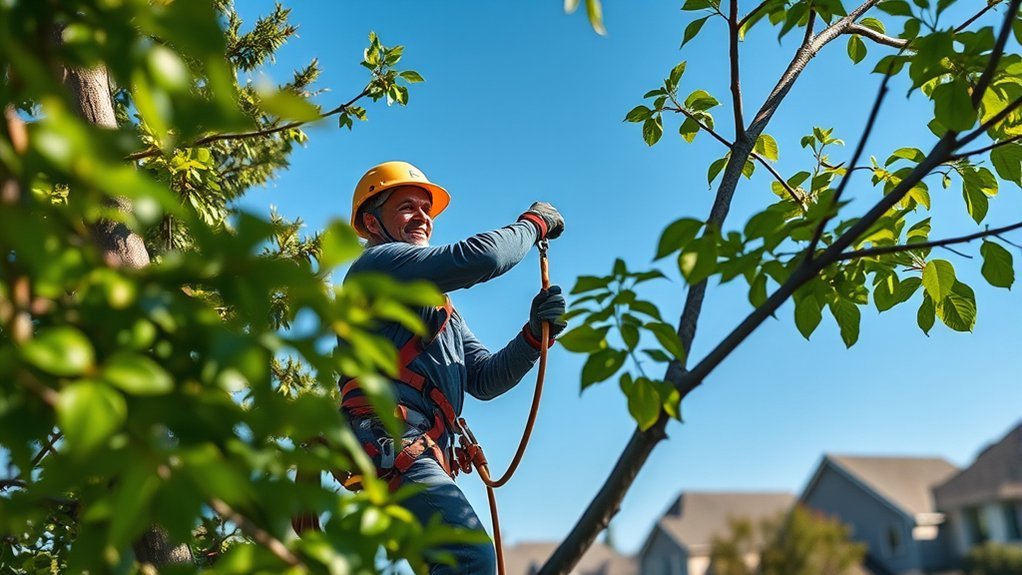
While salaries for arborists can vary widely, you can generally expect to earn around $60,675 per year or $29.17 per hour in 2026. This average salary reflects typical hourly rates ranging from $25 to $29, though where you work makes a difference.
Urban and high-cost areas tend to offer higher hourly rates, while other regions might lean toward the lower end. If you’re a certified arborist, you’re likely to see an arborist salary that’s roughly $10,000 higher annually compared to those without certification.
This certification really boosts your earning potential by signaling expertise and professionalism. Overall, salary estimates vary between about $52,000 and $69,000 per year depending on your employer and job scope.
How Experience Levels Affect Arborist Salary
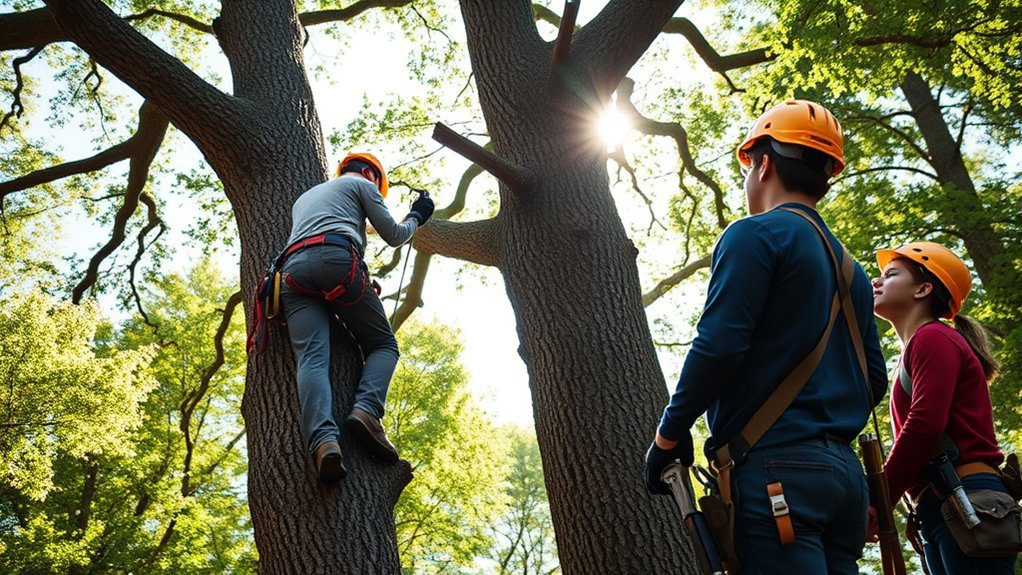
When you’re just beginning your career as an arborist, you can expect to earn between $21 and $24 per hour.
As you gain experience and earn certifications, your pay can increase markedly. Sometimes, it even reaches over $45 per hour or $75,000 annually.
Your skills and years on the job directly impact how much you’ll make in this field. So, the more you learn and grow, the better your salary can get.
Entry-Level Salary Range
Entry-level arborists usually earn between $21.41 and $23.53 per hour, which translates to about $44,530 to $48,940 annually. If you’re just starting out, expect the lower end of this range, around $21.41 hourly pay or $44,530 in annual wages.
As you gain experience, especially within your first one to two years, your pay can rise closer to $23.53 per hour or nearly $48,940 a year. Entry-level arborist salaries are among the lowest in the field since you’re still building your skills and knowledge.
Keep in mind, these starting wages typically amount to about half of what senior arborists earn. So, while entry-level pay is modest, there’s definitely room to grow as you develop expertise in the profession.
Certified Arborist Earnings
As you gain experience and earn certifications like the ISA Certified Arborist credential, your earning potential increases noticeably. Certified arborists typically earn about $10,000 more annually than those without certification, reflecting the value employers place on verified expertise.
Entry-level arborists usually start around $44,530 per year, but as your experience grows, so does your arborist salary. Mid-level professionals often make about $30.70 per hour, while senior ISA Certified Arborists can earn up to $45.01 per hour or $93,620 annually.
This progression shows how certified arborist earnings improve with skill and experience, rewarding those who invest in their professional development. If you want to maximize your arborist salary, becoming an ISA Certified Arborist is a smart step.
Experience Impact On Pay
Though experience isn’t the only factor determining your pay as an arborist, it plays a crucial role in increasing your salary over time. As you develop technical skills and advance in your career progression, your arborist salary tends to rise considerably.
Entry-level arborists start around $32,000-$42,000. But with over 5 years of experience, especially in complex tasks, you can earn over $75,000. Senior arborists with certifications like Master Arborist often make upwards of $88,000 annually.
| Experience Level | Key Skills | Average Arborist Salary |
|---|---|---|
| Entry-Level | Basic pruning, ground crew | $32,000 – $42,000 |
| Mid-Level (5+ years) | Technical removals, storm damage | $75,000+ |
| Senior | Certifications, consulting | $88,000+ |
| Leadership | Crew leader, advanced diagnostics | Higher with responsibilities |
Salary Differences by Arborist Role and Certification
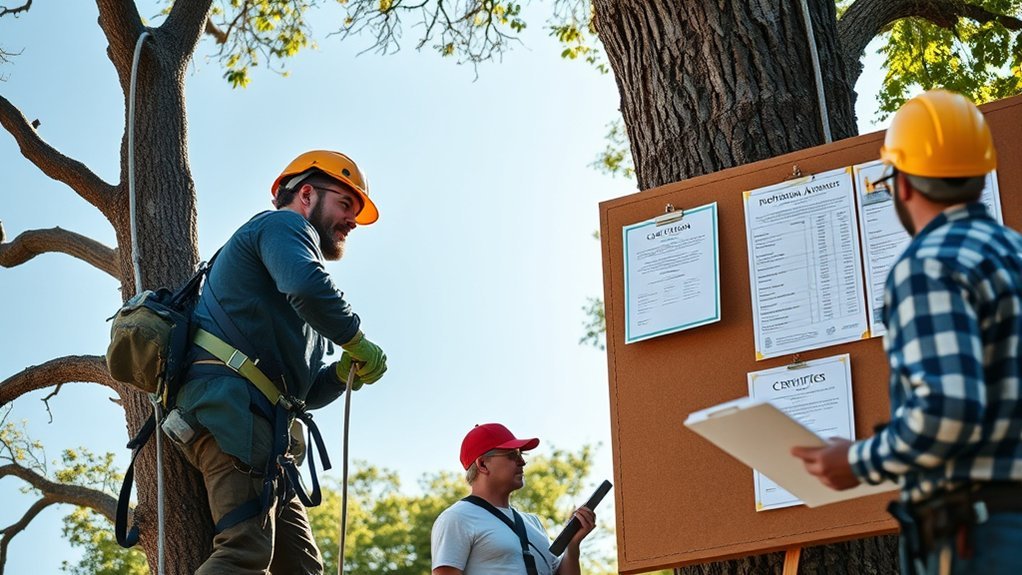
While salary varies widely among arborists, your certification and role play a major part in determining your pay. For example, ISA Certified Arborists typically earn about $10,000 more annually than uncertified peers, showing how valuable certification is compared to the average arborist salary.
If you specialize in technical removals or plant health care, you’re likely to earn more than someone focused on basic pruning. Climbing arborists and crew leaders with advanced skills and certifications can make over $75,000 a year.
Meanwhile, master arborists and consulting arborists often see salaries exceed $88,000, with top credentials pushing pay even higher. Your expertise in technical skills combined with formal certification can considerably boost your earning potential, placing you at the higher end of the salary range.
Top-Paying States for Arborists and Why
If you’re aiming to maximize your earnings as an arborist, focusing on states like Alaska and California could be a smart move since they offer some of the highest wages in the field. In Alaska, arborist wages average around $40.07 per hour, totaling about $83,339 annually. This is thanks to frequent storm activity and dense tree populations requiring skilled care.
California also ranks among the top-paying states, with many arborists earning over $70,000 yearly. This is largely driven by urban forestry demands in metropolitan areas like San Francisco and San Jose. There, high-value commercial and municipal projects abound.
Regional salary differences are influenced by factors such as urban concentration and tree management needs. For example, cities like Boston also offer competitive salaries due to dense urban forestry infrastructure.
Understanding these regional dynamics helps you target locations where your skills are most valued and your earning potential is maximized. So, it pays to know where the demand—and the money—is.
How Specialization Boosts Arborist Salary
Knowing where to work as an arborist can boost your salary, but developing specialized skills can have an even bigger impact.
Becoming a certified arborist, especially ISA Certified or Master Arborist, can add around $10,000 to your annual earnings. Specializing in areas like plant health care, diagnostics, or crane work often increases your earning potential considerably.
Advanced skills such as rigging or utility line clearance are in high demand and typically command higher wages.
Here’s a quick look at how specialization affects pay:
| Specialization Area | Average Salary Increase |
|---|---|
| Certified Arborist | +$10,000 annually |
| Plant Health Care | +$10,000+ annually |
| Technical Skills (Rigging, Utility Clearance) | Higher hourly wages |
Focusing on these areas lets you step into higher roles, like consulting or crew leader positions. Those roles can pay more than $88,000, making specialization a smart career move.
How Employer Type Affects Arborist Salaries
Because employer type plays a big role in your pay as an arborist, it’s important to take into account where you work. Utility line clearance companies typically pay higher wages because the job demands specialized skills and strict safety measures.
If you work under municipal contracts, you’ll likely enjoy more stable salaries and benefits compared to private contractors. Those private contractors may offer less security but sometimes more flexible opportunities.
Large tree care firms often pay more to attract experienced climbers and specialists. On the other hand, smaller or independent arborists might start with lower earnings but have room to grow their income by expanding their business.
How Seasonal and Market Factors Influence Arborist Pay
While arborist pay can seem steady at first glance, it often shifts throughout the year due to seasonal changes and market demands. Seasonal fluctuations, especially during periods of increased storm activity, can lead to a surge in storm cleanup jobs, boosting your earnings appreciably.
If you work in regions prone to frequent storms or dense tree populations—like coastal or urban areas—you’ll likely see higher pay to match the seasonal workload. Market demand also plays a big role; during storm recovery times, local economic conditions can push wages up as companies compete for skilled arborists.
In places with shorter working seasons, such as Alaska, hourly rates tend to be higher to compensate for fewer job months. Overall, your income as an arborist will vary based on seasonal job availability, weather, and regional pay variation.
How Arborist Pay Structures Work
Seasonal and market shifts don’t just affect how much you earn—they also influence the way you’re paid. Arborist pay structures vary, typically between hourly wages and salaries, depending on your role, experience, and specialization.
Most arborists earn hourly, ranging roughly from $15.38 to $49.76. However, if you’re a crew leader or plant health care technician, you might receive a salary instead. Certification and regional demand also shape your arborist compensation, with technical services and utility line clearance often paying premiums.
Understanding these pay structures helps you navigate your career and negotiate better.
| Pay Structure | Typical Roles | Pay Range/Type |
|---|---|---|
| Hourly Wages | Entry-level arborists | $15.38 – $49.76/hour |
| Salaries | Crew leaders, technicians | Fixed annual salary |
| Output-based | Specialized contractors | Based on job completion |
Your pay structure impacts your income stability and incentives.
Salary and Earnings Potential for Arborist Business Owners
If you own an arborist business, you can expect to earn around $90,000 a year with a full schedule and efficient operations. Growing your crew and adding specialized services can boost your income well into six figures.
Your earnings will depend on how well you manage pricing, secure repeat clients, and expand your market reach. It’s really about working smart and finding ways to stand out in the industry. Keep an eye on opportunities to grow, and the income will follow.
Owner Income Potential
Owning an arborist business can bring in around $90,000 a year if you work solo and keep a full schedule. But adding crews can boost your earnings considerably.
Your owner income depends heavily on factors like job scope, the number of crew leaders you manage, and how well you handle operations. Expanding your arborist business with skilled crew leaders can push your annual wage into six figures, especially when market demand is strong.
Efficient pricing, solid contracts, and exceptional customer service play vital roles in maximizing profitability. You can also increase your earnings potential by offering specialized services such as crane work or plant health diagnostics.
Ultimately, your ability to manage resources and meet client needs shapes your long-term owner income potential. It’s all about working smart and growing your business the right way.
Business Growth Strategies
While starting with a solo arborist business can bring in a solid income, growing your operations strategically is key to boosting your earnings. Focus on business growth by expanding your crew size and service offerings, which directly impacts your revenue potential.
Using strategic pricing guarantees you’re competitively compensated without losing clients. Investing in certifications like the ISA Certified Arborist not only improves your expertise but also justifies higher fees.
Adding specialized equipment, such as cranes, enhances service quality and opens up new job opportunities. Don’t overlook operational efficiencies—accurate job costing and effective crew management help maximize your profit margins.
With the right strategies, your arborist business can scale to six-figure incomes, depending on market demand and your management skills. It’s all about smart growth and managing your resources well.
Simple Ways to Boost Your Arborist Pay
Because advancing your skills and credentials directly impacts your value, you can boost your arborist pay by obtaining ISA certification. This typically adds about $10,000 to your annual earnings.
Beyond certifications, developing specialized services such as crane operation, plant health care, or utility line clearance can substantially increase your hourly wage. Improving your technical skills, especially in complex tree removals or diagnostics, positions you to reach higher salary brackets.
To maximize your earning potential, consider these simple strategies:
- Pursue certifications that validate your expertise and open doors to better-paying roles.
- Master technical skills and specialized services in high demand to differentiate yourself.
- Aim for supervisory or consulting positions that offer higher pay and greater job stability.
Frequently Asked Questions
Do Arborists Make a Lot of Money?
You might not get rich overnight as an arborist, but you can definitely make a good living, especially if you gain experience and certifications. Entry-level jobs pay modestly, but with time, you can earn a solid salary.
Sometimes, it even reaches six figures if you specialize or run your own business. Location matters too—urban areas usually pay more.
Is Becoming an Arborist Worth It?
Yes, becoming an arborist can definitely be worth it if you enjoy working outdoors and care about the environment. You’ll start with a decent salary that grows as you gain experience and certifications.
Plus, the job offers a unique blend of physical activity, problem-solving, and environmental impact. If you’re passionate about trees and nature, the career satisfaction and financial rewards can make it a great choice for you.
How Much Do Arborists Make in NC?
You can expect to make between $36,000 and $81,000 annually as an arborist in North Carolina, depending on your experience and certifications. If you’re just starting out, you’ll likely earn around $21 to $23 per hour.
Getting certified can boost your pay, often pushing it over $55,000 a year once you’ve got some experience. Keep in mind, wages can vary based on where you work and the demand in your area.
What Is the Average Salary for an Arborist in Colorado?
You can expect to make between $52,000 and $69,000 annually as an arborist in Colorado. If you’re certified, your salary will likely be higher, often surpassing $60,000.
Entry-level positions start around $44,530, but with experience and specialization, you could earn over $70,000. Keep in mind, working in urban areas like Denver usually means better pay, so location and certification really boost your earning potential.
Conclusion
You might think arborists only climb trees and trim branches, but their pay tells a different story—experience, certification, and location all play huge roles.
The theory that arborists earn modestly doesn’t hold up when you see how specialization and business ownership can boost income.
So, if you’re passionate about trees, don’t underestimate your potential.
With the right skills and strategy, you can grow not just trees, but your earnings too.